
Pisagorculuk (Pythagoreanism)
Contrary to popular belief, Lorem Ipsum is not simply random text. It has roots in a piece of classical Latin literature from 45 BC, making it over 2000 years old. Richard McClintock, a Latin professor at Hampden-Sydney College in Virginia, looked up one of the more obscure Latin words, consectetur, from a Lorem Ipsum passage, and going through the cites of the word in classical literature, discovered the undoubtable source. Lorem Ipsum comes from sections 1.10.32 and 1.10.33 of “de Finibus Bonorum et Malorum” (The Extremes of Good and Evil) by Cicero, written in 45 BC. This book is a treatise on the theory of ethics, very popular during the Renaissance. The first line of Lorem Ipsum, “Lorem ipsum dolor sit amet..”, comes from a line in section 1.10.32.
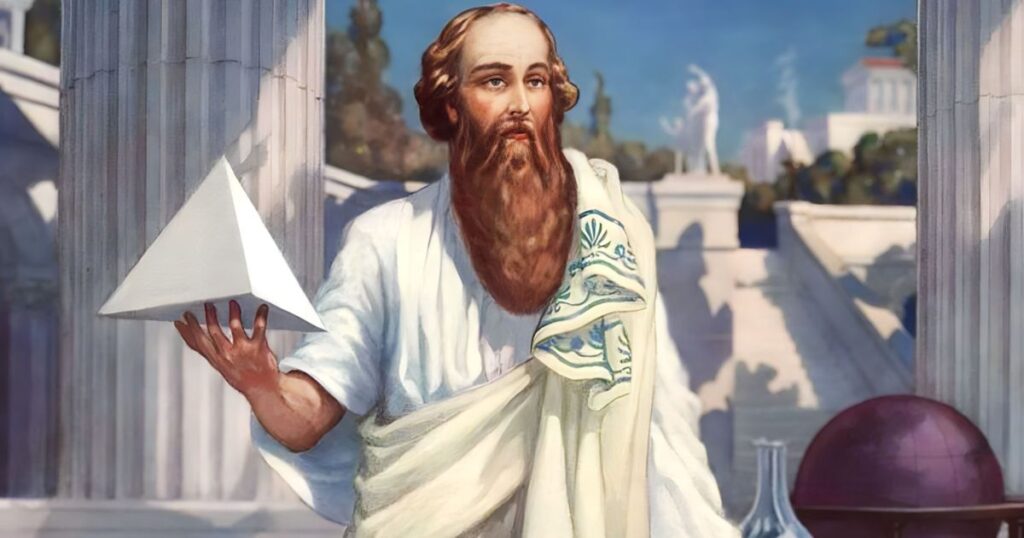
Resim 1 – Pisagor
Platonizm (Plotanism)
Akılcılık (Rationailsm)
Kantçılık (Kantianism)
Matematikte Alman İdealizmi
Mantıkçılık (Logicism)
Sezgicilik (Intuitionism)
Biçimcilik (Formalism)
Yapılandırmacılık (Constructivism)
Yapısalcılık (Structuralism)
Doğacılık / Natüralizm (Naturalism)
Kaynakça ve İleri Okuma
Bu makalede yer alan felsefi yaklaşımlar ve tanımlamalar derlenirken, temel kaynak olarak Jörg Neunhäuserer’in Springer tarafından yayımlanan eserinden yararlanılmıştır. Matematiğin temellerine ve felsefi arka planına dair daha derinlemesine bir inceleme yapmak isteyen okuyucularım için ilgili eserin künyesi aşağıdadır:
Eser Adı: Introduction to the Philosophy of Mathematics
Yazar: Jörg Neunhäuserer
Yayınevi: Springer (Springer-Verlag GmbH, DE)
Yıl: 2025 (2. Baskı / İngilizce Çeviri)
DOI: 10.1007/978-3-662-72179-7


Leave a Comment